
The Psychology of Documentation: Why We Keep What We Keep
Documentation is more than just a mundane task; it’s a reflection of our values, memories, and experiences. Whether it’s storing receipts, saving emails, or keeping a scrapbook, every piece of paper or digital file tells a story. Understanding the psychology behind why we keep certain documents can illuminate our behaviors and priorities.
The Emotional Connection to Documents
Documents often hold sentimental value. A handwritten letter from a loved one or an old photograph can evoke strong emotions. These items act as tangible reminders of past experiences, relationships, and milestones. For many, the act of preserving such documents is a way to maintain connections with people or moments that are meaningful.
Consider this: when you find an old birthday card, you’re not just looking at a piece of paper. You’re revisiting a moment in time, reconnecting with the emotions tied to it. This emotional connection can make it difficult to let go of documents, even if they no longer serve a practical purpose.
The Role of Identity in Documentation
Our documentation choices often reflect our identity. The types of documents we keep can reveal our interests, values, and life stages. A student might hold onto report cards and diplomas, while a professional may archive performance reviews and certificates. Each document contributes to a narrative about who we are and what we value.
For instance, someone who collects travel itineraries and ticket stubs might see themselves as an adventurer. Each item is a badge of experience, a testament to their explorations. This is not just about memories; it’s about self-definition.
Practical Reasons for Keeping Documents
Beyond emotional and identity factors, there are practical reasons for holding onto certain documents. Some papers serve legal or financial purposes. Tax records, contracts, and warranties might be needed for future reference. These documents are less about sentiment and more about necessity.
Here’s a quick list of common documents people keep for practical reasons:
- Medical records
- Tax returns
- Home ownership papers
- Insurance policies
- Employment contracts
Keeping these documents organized is important. It can save time and stress when dealing with legal matters or financial transactions. Resources like https://alldocuments.net/ can help you manage your documentation efficiently.
The Digital Shift and Its Implications
With the rise of digital technology, the way we document and store information has changed dramatically. Digital files can be easily created, edited, and shared, making it easier to keep everything from emails to cloud-stored photos. However, this shift raises questions about what we choose to keep in a digital format versus physical form.
Digital documentation offers convenience, yet it can also lead to information overload. The ease of saving files can result in a cluttered digital space, making it challenging to find what’s truly important. Balancing digital and physical documentation is vital for maintaining clarity and efficiency.
The Psychological Burden of Excess Documentation
There’s a psychological weight associated with excessive documentation. Holding onto too many items can lead to decision fatigue and anxiety. The clutter can create a sense of chaos, making it hard to focus on what truly matters. This is particularly evident in spaces filled with stacks of papers or folders overflowing with unnecessary files.
To combat this, it’s useful to regularly assess what documents are essential. Ask yourself: Does this item serve a purpose? Does it bring me joy? If the answer is no, it might be time to let go. Implementing a regular decluttering routine can alleviate this burden and create a more organized space.
Cultural Influences on Documentation Practices
Culture plays a significant role in how we approach documentation. Different cultures have unique traditions surrounding memory preservation. For example, some societies emphasize oral histories, while others prioritize written records. These practices shape what we choose to document and keep.
In some cultures, the act of preserving documents is a way to honor ancestors or maintain family legacies. This can lead to the careful curation of family trees, historical letters, and photographs. Understanding these cultural contexts can provide insight into why certain documents hold more significance than others.
Practical Tips for Managing Documentation
Effective documentation management combines emotional awareness with practical strategies. Here are some practical tips for keeping your documentation in check:
- Establish a regular review process for your documents.
- Create categories for different types of documentation.
- Utilize digital tools for organization, like cloud storage or document management systems.
- Be selective about what to keep; prioritize items with emotional or practical value.
- Consider creating a digital backup for important physical documents.
By adopting these strategies, you can develop a more intentional approach to your documentation practices, ensuring that what you keep truly reflects your values and needs.

Paling Laris
-
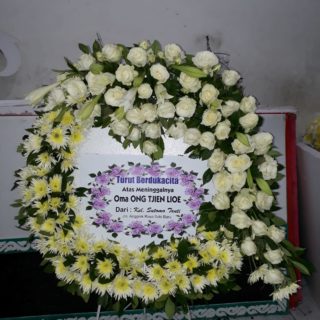 Standing Flower (Custom)
Rp750.000
Standing Flower (Custom)
Rp750.000
-
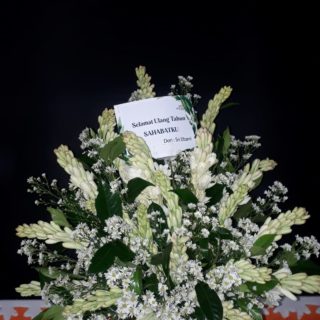 Bunga Meja (Bukket) Custom Desain
Rp250.000
Bunga Meja (Bukket) Custom Desain
Rp250.000
-
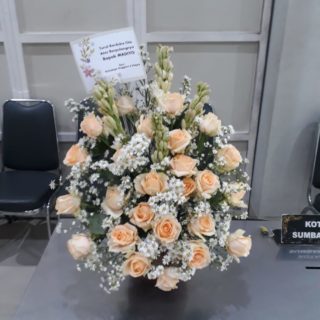 Bunga Meja (Bukket) Circle Desain
Rp350.000
Bunga Meja (Bukket) Circle Desain
Rp350.000
-
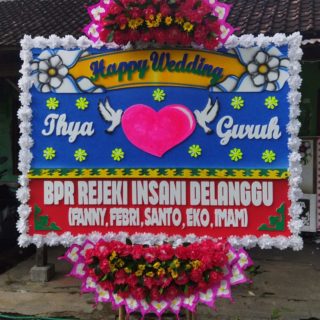 Karangan Bunga Wedding Pernikahan – S701
Rp550.000
Karangan Bunga Wedding Pernikahan – S701
Rp550.000
-
 Karangan Bunga Wedding Pernikahan – J602
Rp750.000
Karangan Bunga Wedding Pernikahan – J602
Rp750.000
Tinggalkan Balasan