
Prenuptial Agreements: Myths vs. Realities
Prenuptial agreements often get a bad rap. Many people think of them as only for the wealthy or as a sign that a marriage is doomed from the start. However, these legal documents can serve as practical tools for couples at any stage of life. By understanding the myths surrounding prenuptial agreements, couples can approach marriage with clarity and confidence.
Understanding Prenuptial Agreements
A prenuptial agreement, commonly known as a prenup, is a contract entered into before marriage. It outlines how assets and responsibilities will be divided in the event of a divorce or separation. While they may seem daunting, they can provide peace of mind for both parties involved. It’s about creating a framework that protects both individuals’ interests.
Myth 1: Prenups Are Only for the Rich
One of the biggest misconceptions is that prenuptial agreements are only necessary for the wealthy. This isn’t true. Anyone who has assets, debts, or even children from previous relationships may benefit from having a prenup. It’s not about the size of your bank account; it’s about protecting what you’ve worked hard for and ensuring a fair process should things go awry.
Myth 2: Prenups Are Unromantic
Many people believe that discussing a prenup is unromantic and indicative of a lack of trust. In reality, being open about financial matters can strengthen a relationship. Talking about finances before marriage can build communication and mutual understanding. It shows that both parties are committed to being transparent and responsible, which can ultimately enhance the relationship.
Myth 3: Prenups Are Only Enforceable If They’re Fair
Another common myth is that prenups must be fair to be enforceable. While fairness is important, it’s not the only factor. Courts will look at whether both parties had the opportunity to negotiate and whether they fully understood the agreement when they signed it. It’s essential to have both parties represented by independent legal counsel to ensure the agreement is valid and enforceable.
Key Components of a Prenuptial Agreement
When considering a prenuptial agreement, it’s vital to include certain key components. Here’s a list of essential elements to consider:
- Identification of assets and debts
- Division of property acquired during the marriage
- Spousal support or alimony provisions
- Handling of inheritance and gifts
- Provisions for children from previous relationships
Including these elements can help both parties understand their rights and responsibilities, making the prenup a thorough tool for managing expectations.
Myth 4: Prenups Are Set in Stone
People often think that prenuptial agreements are permanent and cannot be changed. In reality, prenups can be revised as circumstances change. Life events like the birth of a child, significant changes in income, or even a mutual decision to alter asset division can prompt a review of the agreement. Flexibility is key to ensuring the prenup remains relevant.
Myth 5: You Can Create a Prenup Without Legal Help
While it might seem tempting to draft your own prenup, doing so can lead to complications down the line. Every state has different laws governing prenuptial agreements, and it’s important to understand these regulations. Consulting a legal professional can help ensure the document is properly drafted and compliant with state laws. For those in South Carolina, a helpful resource for creating a prenup can be found at https://official-forms.com/south-carolina-prenuptial-agreement-form/.
The Reality of Prenups
Understanding the truth about prenuptial agreements can empower couples to approach marriage with a proactive mindset. Rather than viewing a prenup as a sign of distrust, think of it as a safeguard for both partners. It’s about ensuring that if life takes an unexpected turn, both parties have a clear understanding of their rights and responsibilities.
Conclusion on the Journey Ahead
As you prepare for marriage, consider the benefits of having a prenuptial agreement. It’s not just about what happens if things go wrong; it’s also about building a solid foundation for your future together. Open discussions about finances, expectations, and responsibilities can lead to a stronger, more resilient partnership. Don’t let myths cloud your judgment; embrace the realities and approach your marriage with confidence.

Paling Laris
-
 Standing Flower (Custom)
Rp750.000
Standing Flower (Custom)
Rp750.000
-
 Bunga Meja (Bukket) Custom Desain
Rp250.000
Bunga Meja (Bukket) Custom Desain
Rp250.000
-
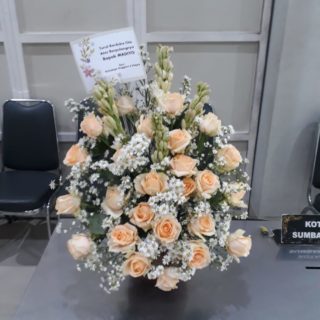 Bunga Meja (Bukket) Circle Desain
Rp350.000
Bunga Meja (Bukket) Circle Desain
Rp350.000
-
 Karangan Bunga Wedding Pernikahan – S701
Rp550.000
Karangan Bunga Wedding Pernikahan – S701
Rp550.000
-
 Karangan Bunga Wedding Pernikahan – J602
Rp750.000
Karangan Bunga Wedding Pernikahan – J602
Rp750.000
Tinggalkan Balasan