
Common Myths About Wills That Could Cost You in the Long Run
When it comes to estate planning, many people hold on to misconceptions about wills that can lead to costly mistakes. Misunderstanding the basics can create unnecessary complications for your loved ones after you’re gone. Let’s clear the air around some common myths about wills.
Myth 1: A Will Is Only for the Wealthy
Many believe that only the wealthy need a will. This is far from the truth. Regardless of your financial situation, a will is essential. It allows you to dictate how your assets will be distributed, which is important for anyone with dependents or specific wishes about their property. Even if your estate consists of modest assets, having a will can ensure that your desires are honored and can help avoid disputes among family members.
Myth 2: A Will Automatically Avoids Probate
Another misconception is that having a will means your estate will bypass probate. In reality, a will must go through the probate process, which can be lengthy and costly. While a will provides direction for asset distribution, it doesn’t eliminate the probate court’s involvement. If you want to avoid probate, you may want to consider options like trusts or joint ownership of assets.
Myth 3: You Can Write a Will Anytime Without Consequences
People often think they can draft a will whenever they feel like it, but timing and method matter significantly. Wills must meet specific legal criteria to be valid. If you write a will hastily or without proper witness signatures, it could be contested after your passing. Using a formal template, like a Virginia Last Will printout, can help ensure that you meet all legal requirements.
Myth 4: Once You Have a Will, You Never Need to Update It
Assuming a will is a one-and-done document is a mistake. Life changes—marriages, divorces, births, and deaths can all impact your estate planning needs. Regularly reviewing and updating your will ensures that it reflects your current situation and wishes. Ignoring this can lead to unintended consequences and confusion for your heirs.
Myth 5: If You Don’t Have a Will, the State Will Take Everything
Many think that without a will, the state gets all your assets. While it’s true that dying intestate (without a will) means your estate will be divided according to state laws, it doesn’t mean the state takes everything. Your assets will often go to your closest relatives, but this may not align with your wishes. Having a will allows you to specify beneficiaries clearly.
Myth 6: You Can Use Online Templates Without Any Legal Guidance
While online resources can be helpful, relying solely on them can be risky. Wills must adhere to specific state laws, which can vary significantly. Without understanding these nuances, you might create a will that is invalid or easily contested. Consulting with an estate planning attorney can help you avoid pitfalls and ensure your will is thorough and enforceable.
Myth 7: A Will Covers All Your Assets
It’s a common misconception that a will covers everything you own. However, certain assets do not pass through a will. For example, life insurance policies and retirement accounts typically have designated beneficiaries. This means that these assets will go directly to the named individuals, regardless of what your will states. Understanding which assets are governed by your will is vital for effective estate planning.
Final Considerations
Understanding these myths can help you make informed decisions about your estate planning. A will is a powerful tool that can provide peace of mind and clarity for your loved ones. Whether you’re drafting a will for the first time or revising an existing one, ensure that you approach it with care and knowledge. Consider using trusted resources, like the Virginia Last Will printout, to help guide you through the process. Your future—and your family’s future—deserves it.

Paling Laris
-
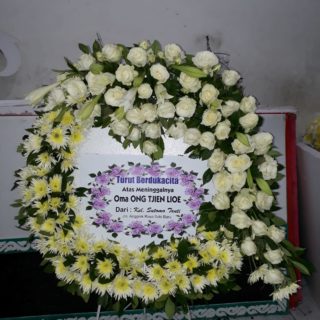 Standing Flower (Custom)
Rp750.000
Standing Flower (Custom)
Rp750.000
-
 Bunga Meja (Bukket) Custom Desain
Rp250.000
Bunga Meja (Bukket) Custom Desain
Rp250.000
-
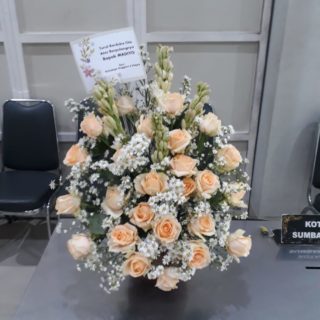 Bunga Meja (Bukket) Circle Desain
Rp350.000
Bunga Meja (Bukket) Circle Desain
Rp350.000
-
 Karangan Bunga Wedding Pernikahan – S701
Rp550.000
Karangan Bunga Wedding Pernikahan – S701
Rp550.000
-
 Karangan Bunga Wedding Pernikahan – J602
Rp750.000
Karangan Bunga Wedding Pernikahan – J602
Rp750.000
Tinggalkan Balasan