
Common Misconceptions About Child Power of Attorney in Florida
When it comes to legal matters involving children, confusion can easily arise, especially surrounding the concept of Power of Attorney (POA). Many parents and guardians in Florida misunderstand what a Child Power of Attorney entails, leading to significant missteps in critical situations. Understanding the nuances of a Child POA is essential for safeguarding your child’s interests.
What is a Child Power of Attorney?
A Child Power of Attorney allows a parent or legal guardian to designate someone else to make decisions on behalf of their child. This can be necessary in various situations, such as when the parent is unavailable for an extended period. It’s not about relinquishing parental rights; rather, it’s a practical approach to ensuring that someone trusted can step in when needed.
Misconception 1: It’s Permanent
One of the most common misconceptions is that a Child Power of Attorney is a permanent arrangement. In reality, it is often temporary. Parents can specify the duration of the authority granted, whether it’s for a day, a month, or longer. Once the specified period ends, the rights revert back to the parent or guardian without any formal process. Families can adjust this as circumstances change.
Misconception 2: It Requires a Lawyer
While having legal advice can be beneficial, it’s not a strict requirement to create a Child Power of Attorney in Florida. Parents can create a valid POA using templates available online. However, it’s important that the document meets Florida’s legal standards. Resources like Florida Eviction Letter pdf provide guidance for drafting legal documents, ensuring they are compliant with state laws.
Misconception 3: Only One Person Can Be Designated
Another misunderstanding is that parents can only designate one individual. In truth, you can appoint multiple agents. For example, you might choose one person for medical decisions and another for educational matters. This flexibility allows parents to tailor the arrangement to their family’s specific needs, ensuring the right person is available for each situation.
Misconception 4: It Covers All Legal Matters
Many mistakenly believe that a Child Power of Attorney grants the agent the authority to make all decisions. However, a POA typically covers specific areas, such as healthcare or education, but does not extend to every aspect of a child’s life. For instance, decisions about permanent changes like adoption or changing the child’s last name usually require additional legal processes.
Misconception 5: It’s Only for Emergencies
While a Child Power of Attorney can be a lifesaver in emergencies, it’s not limited to those scenarios. Parents often overlook the benefits of having a POA for planned situations, like a long family trip or when a parent is deployed. Preparing ahead can alleviate stress and ensure that a child’s needs are met even in the parent’s absence.
Practical Steps to Create a Child Power of Attorney
Creating a Child Power of Attorney can be straightforward if you keep a few key steps in mind:
- Identify the specific powers you want to grant.
- Choose someone trustworthy and capable of making decisions for your child.
- Draft the document using a reliable template or consult a lawyer if needed.
- Ensure that the document is signed, witnessed, and notarized, as required by Florida law.
- Communicate your intentions with the designated agent and inform relevant parties like schools or healthcare providers.
These steps can help streamline the process and provide peace of mind for parents.
Understanding Limitations and Responsibilities
Agents appointed under a Child Power of Attorney have specific responsibilities, which include acting in the best interest of the child and adhering to the powers granted. However, they cannot make decisions outside the scope of the authority given. Understanding these responsibilities is vital to avoid misunderstandings and potential conflicts.
Moreover, parents should regularly review and update the POA as necessary. Life changes, such as relocation, changes in the child’s needs, or shifts in family dynamics might require adjustments to the document.
Misconceptions about Child Powers of Attorney can lead to confusion and potentially harmful situations. By clarifying these points and understanding the true nature of a Child POA, parents can better prepare for the unexpected, ensuring their child’s well-being is always prioritized.

Paling Laris
-
 Standing Flower (Custom)
Rp750.000
Standing Flower (Custom)
Rp750.000
-
 Bunga Meja (Bukket) Custom Desain
Rp250.000
Bunga Meja (Bukket) Custom Desain
Rp250.000
-
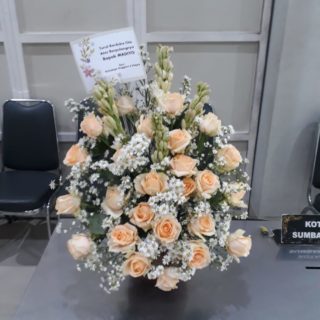 Bunga Meja (Bukket) Circle Desain
Rp350.000
Bunga Meja (Bukket) Circle Desain
Rp350.000
-
 Karangan Bunga Wedding Pernikahan – S701
Rp550.000
Karangan Bunga Wedding Pernikahan – S701
Rp550.000
-
 Karangan Bunga Wedding Pernikahan – J602
Rp750.000
Karangan Bunga Wedding Pernikahan – J602
Rp750.000
Tinggalkan Balasan