
A Guide to Draft a thorough Rental Agreement for Shared Living Spaces
Shared living spaces can be a fantastic way to save on rent and enjoy companionship. But with multiple people living under one roof, it’s essential to have clear agreements in place. A well-drafted rental agreement can prevent misunderstandings and help maintain harmony among housemates. Here’s how to create a thorough rental agreement that covers all the bases.
Understanding the Importance of a Rental Agreement
A rental agreement is more than just a piece of paper; it’s a legal document that outlines the terms of living arrangements. This agreement protects both the landlord and the tenants. It defines rights and responsibilities, making it a important tool for avoiding disputes. Without a solid agreement, you might find yourself in tricky situations, whether it’s about rent payments, property damage, or even guest policies.
Essential Elements of a Rental Agreement
When drafting a rental agreement for shared living spaces, several key elements should always be included:
- Names of All Parties: Include the names of everyone involved in the agreement. This ensures all occupants are held accountable.
- Property Description: Clearly describe the property being rented. Include the address and any specific areas that are part of the rental.
- Rental Terms: Specify the rent amount, payment due dates, and acceptable payment methods.
- Duration of the Lease: State whether the lease is month-to-month or for a fixed term. Make sure to outline the renewal process.
- Security Deposit: Detail the amount required for a security deposit and the conditions for its return.
- Rules and Responsibilities: Clearly outline house rules, including guest policies, noise levels, and maintenance responsibilities.
Drafting Specific House Rules
House rules are a critical part of any rental agreement, especially in shared living situations. They help set expectations and ensure everyone’s comfortable. Here are some common rules to consider:
- Quiet hours
- Cleaning schedules
- Use of common areas
- Guest policies
- Parking rules
Incorporating these into your rental agreement can help maintain a peaceful living environment.
Addressing Financial Responsibilities
Money matters can be a source of tension in shared living situations. It’s vital to clarify financial responsibilities within the rental agreement. This includes not only rent but also utilities, internet, and any other shared expenses. Specify how these costs will be divided and when payments are due. If using a shared app for payments, mention how expenses will be tracked and settled.
Legal Considerations and Compliance
Every state has its own rental laws, and Florida is no exception. Ensuring your rental agreement complies with state laws is important. This includes understanding tenant rights, eviction processes, and security deposit regulations. For those in Florida, utilizing a Florida Room Lease Agreement form can be beneficial. It provides a reliable template that adheres to state requirements, allowing for a smoother experience.
Handling Disputes
No one likes conflict, but it’s sometimes inevitable. The rental agreement should include a process for handling disputes. This might involve mediation or outlining specific steps to resolve issues. By having a clear plan, you can address problems before they escalate.
Reviewing and Signing the Agreement
Once the rental agreement is drafted, all parties should review it thoroughly. Encourage open discussions about any concerns or suggestions. It’s important that everyone feels comfortable with the terms laid out. Once finalized, have everyone sign the document. Make copies for all parties involved to ensure everyone has access to the agreement.
Creating a rental agreement for shared living spaces doesn’t have to be overwhelming. By addressing these important aspects, you can create a document that helps everyone feel secure and informed. A well-thought-out rental agreement not only protects individual rights but also fosters a sense of community among housemates. Don’t overlook this important tool in your shared living experience.

Paling Laris
-
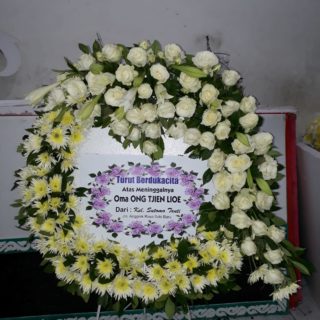 Standing Flower (Custom)
Rp750.000
Standing Flower (Custom)
Rp750.000
-
 Bunga Meja (Bukket) Custom Desain
Rp250.000
Bunga Meja (Bukket) Custom Desain
Rp250.000
-
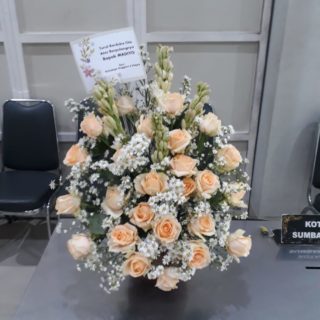 Bunga Meja (Bukket) Circle Desain
Rp350.000
Bunga Meja (Bukket) Circle Desain
Rp350.000
-
 Karangan Bunga Wedding Pernikahan – S701
Rp550.000
Karangan Bunga Wedding Pernikahan – S701
Rp550.000
-
 Karangan Bunga Wedding Pernikahan – J602
Rp750.000
Karangan Bunga Wedding Pernikahan – J602
Rp750.000
Tinggalkan Balasan