
The Art of Template Design: Balancing Aesthetics and Functionality
Creating templates that are both visually appealing and functional can be a challenging endeavor. Designers often find themselves torn between what looks good and what actually works. Whether you’re crafting a template for a presentation, a business report, or a social media post, understanding the core principles behind effective template design is important.
Understanding Your Audience
Before diving into the aesthetics of your template, you need to consider who will be using it. Different audiences have different expectations. For instance, a corporate report template should convey professionalism and clarity, while a template for a creative project might embrace bold colors and unconventional layouts.
To truly resonate with your audience, gather insights about their preferences. Surveys or feedback from previous designs can guide your choices. Knowing what your audience values will inform not only your design choices but also the functionality you incorporate.
The Importance of Functionality
Functionality is the backbone of any good template. If a design looks great but is difficult to use, it ultimately fails. Think about usability first. Essential elements like layout, structure, and navigation should be intuitive.
For example, consider incorporating placeholders that guide users on where to input their content. This not only makes the template user-friendly but also saves time. Additionally, using standardized fonts and colors can enhance readability, allowing users to focus on their content rather than deciphering the layout.
Aesthetic Considerations
Once you’ve established a solid functionality framework, it’s time to turn your attention to aesthetics. Visual appeal plays a significant role in how your template is perceived. A well-designed template can elevate the content it presents.
Use color schemes that align with the theme of the content. For instance, soft pastels may work for a wellness blog, while vibrant colors might be better suited for a marketing template. The right balance of color, imagery, and typography can create an engaging experience for users.
Creating a Cohesive Design Language
Consistency is key in design. A cohesive design language enhances user experience and builds trust. Establish a style guide that outlines your color palette, fonts, and other visual elements. This guide should serve as a reference point for all templates you create.
When users encounter a consistent design across different templates, it fosters familiarity. They’ll know what to expect, which can increase their confidence in using your templates. For those looking for a variety of designs, online document downloads can be a valuable resource.
Testing and Iteration
No design is perfect on the first try. Testing your templates with real users can uncover issues you might not have anticipated. Gather feedback on both the aesthetic and functional aspects of your design. Are users finding it easy to manage? Is the visual appeal meeting their expectations?
Iterate based on the feedback you receive. This might mean tweaking colors, adjusting layouts, or adding new features. The goal is to refine the template until it meets user needs effectively while still looking great.
Accessibility in Design
Incorporating accessibility into your template design is not just a best practice; it’s essential. Consider users with disabilities who may rely on screen readers or other assistive technologies. Using proper contrast, alt text for images, and clear typography can make a significant difference in usability.
Designing with accessibility in mind can broaden your audience and ensure that everyone can benefit from your templates. This inclusivity is not only ethical but also enhances the overall quality of your designs.
closing: Finding the Right Balance
Template design is an art that requires a delicate balance between aesthetics and functionality. By focusing on your audience, ensuring usability, and creating visually appealing designs, you can develop templates that are not only attractive but also highly effective. Remember, the most successful templates are those that serve their purpose well while also delighting the user.

Paling Laris
-
 Standing Flower (Custom)
Rp750.000
Standing Flower (Custom)
Rp750.000
-
 Bunga Meja (Bukket) Custom Desain
Rp250.000
Bunga Meja (Bukket) Custom Desain
Rp250.000
-
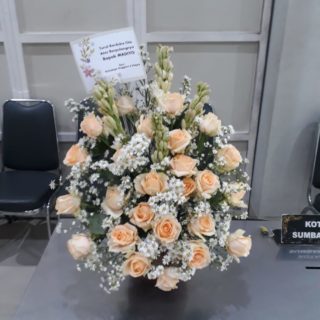 Bunga Meja (Bukket) Circle Desain
Rp350.000
Bunga Meja (Bukket) Circle Desain
Rp350.000
-
 Karangan Bunga Wedding Pernikahan – S701
Rp550.000
Karangan Bunga Wedding Pernikahan – S701
Rp550.000
-
 Karangan Bunga Wedding Pernikahan – J602
Rp750.000
Karangan Bunga Wedding Pernikahan – J602
Rp750.000
Tinggalkan Balasan