
The Benefits of a Transfer on Death Deed in Estate Planning in New York
Estate planning can feel overwhelming, especially when you consider the complexities of property transfer. One tool that’s gaining traction in New York is the Transfer on Death (TOD) deed. This simple yet powerful document allows individuals to transfer real property to beneficiaries without going through probate. Let’s explore the specific benefits of a Transfer on Death deed and why it might be a smart choice for your estate planning strategy.
Simplifying the Transfer Process
One of the most significant advantages of a Transfer on Death deed is the simplicity it brings to the transfer process. With a properly executed TOD deed, your property automatically transfers to your designated beneficiaries upon your death. There’s no need for lengthy probate proceedings, which can be time-consuming and costly. For example, if you own a house and want it to go directly to your children, a TOD deed ensures they receive it without the hassle of probate courts.
Avoiding Probate Costs
Probate can be a financial burden. Legal fees, court costs, and other expenses can quickly add up, reducing the inheritance your loved ones receive. By utilizing a Transfer on Death deed, you effectively sidestep these costs. Since the property transfers directly to your beneficiaries, there’s no need for the estate to pay for probate services. This efficiency means more of your assets stay in the hands of your family.
Retaining Control Over Your Property
Another benefit is the level of control you maintain over your property while you’re alive. Unlike some other estate planning tools, a TOD deed doesn’t immediately transfer ownership. You can sell, mortgage, or change the beneficiaries at any time. Imagine you’re considering moving to a retirement community. With a TOD deed, you can sell your house without worrying about the implications for your beneficiaries. This flexibility is a major advantage for anyone wanting to maintain control over their assets.
Tax Implications
When it comes to taxes, a Transfer on Death deed can simplify matters. For starters, since the property doesn’t transfer until your death, the beneficiaries typically won’t face immediate gift taxes. They inherit the property at its current market value, which can result in a stepped-up basis. This means if they sell it later, they may pay less in capital gains taxes. This tax efficiency can be a significant financial benefit. For instance, if the property appreciated significantly, your beneficiaries might avoid a hefty tax bill simply due to the timing of the transfer.
Providing Clarity and Reducing Family Conflict
Family disputes over inheritances can lead to lasting rifts. A well-structured estate plan, including a Transfer on Death deed, can help maintain harmony. By clearly designating beneficiaries, you reduce ambiguity around who gets what. For example, if you have multiple children and want to ensure equality, a TOD deed can specify exactly how your property will be divided. This clarity can prevent misunderstandings and conflicts after your passing.
Easy to Set Up
Setting up a Transfer on Death deed is straightforward. In New York, you can typically prepare the deed yourself using online resources or templates. Websites like https://smarttemplates.net/fillable-new-york-transfer-on-death-deed/ provide fillable forms to simplify the process. While it’s always wise to consult with an attorney, many people find they can manage this aspect of their estate planning without professional help, further saving on costs.
Conclusion
Incorporating a Transfer on Death deed into your estate planning can offer numerous benefits. From simplifying property transfers and avoiding probate costs to retaining control over your assets and providing clarity for your family, it’s an effective tool for many New Yorkers. If you’re looking for ways to streamline your estate plan, a TOD deed is worth considering.

Paling Laris
-
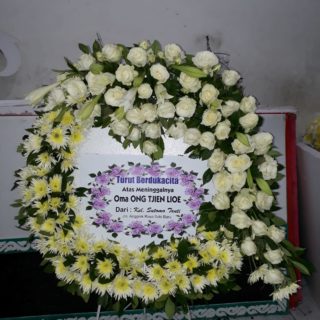 Standing Flower (Custom)
Rp750.000
Standing Flower (Custom)
Rp750.000
-
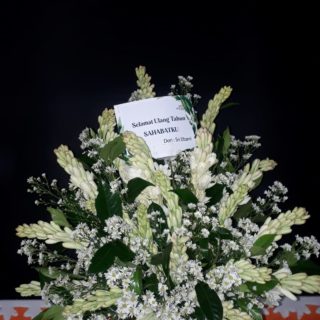 Bunga Meja (Bukket) Custom Desain
Rp250.000
Bunga Meja (Bukket) Custom Desain
Rp250.000
-
 Bunga Meja (Bukket) Circle Desain
Rp350.000
Bunga Meja (Bukket) Circle Desain
Rp350.000
-
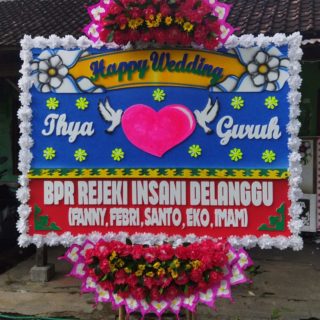 Karangan Bunga Wedding Pernikahan – S701
Rp550.000
Karangan Bunga Wedding Pernikahan – S701
Rp550.000
-
 Karangan Bunga Wedding Pernikahan – J602
Rp750.000
Karangan Bunga Wedding Pernikahan – J602
Rp750.000
Tinggalkan Balasan